- Your cart is empty
- Continue Shopping


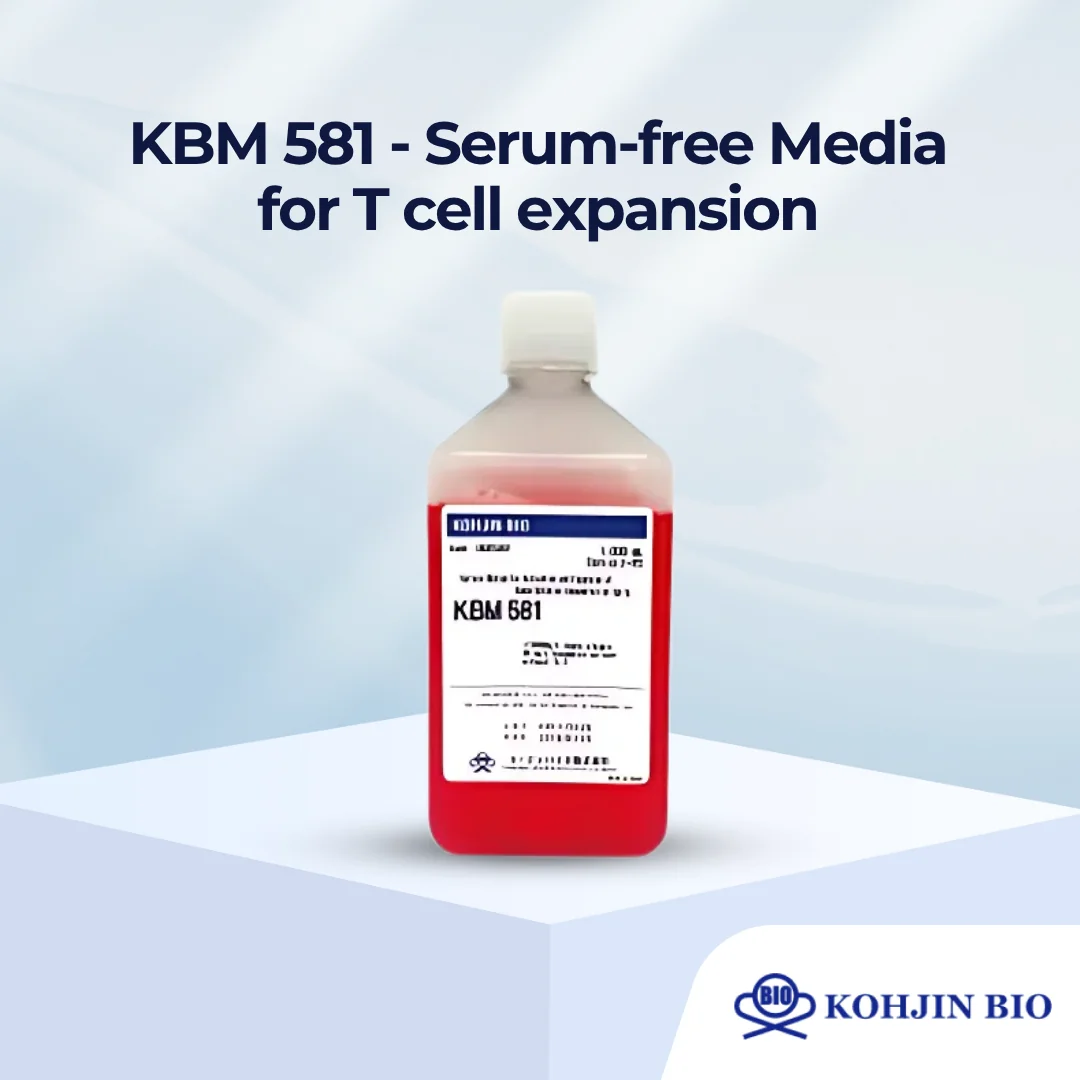
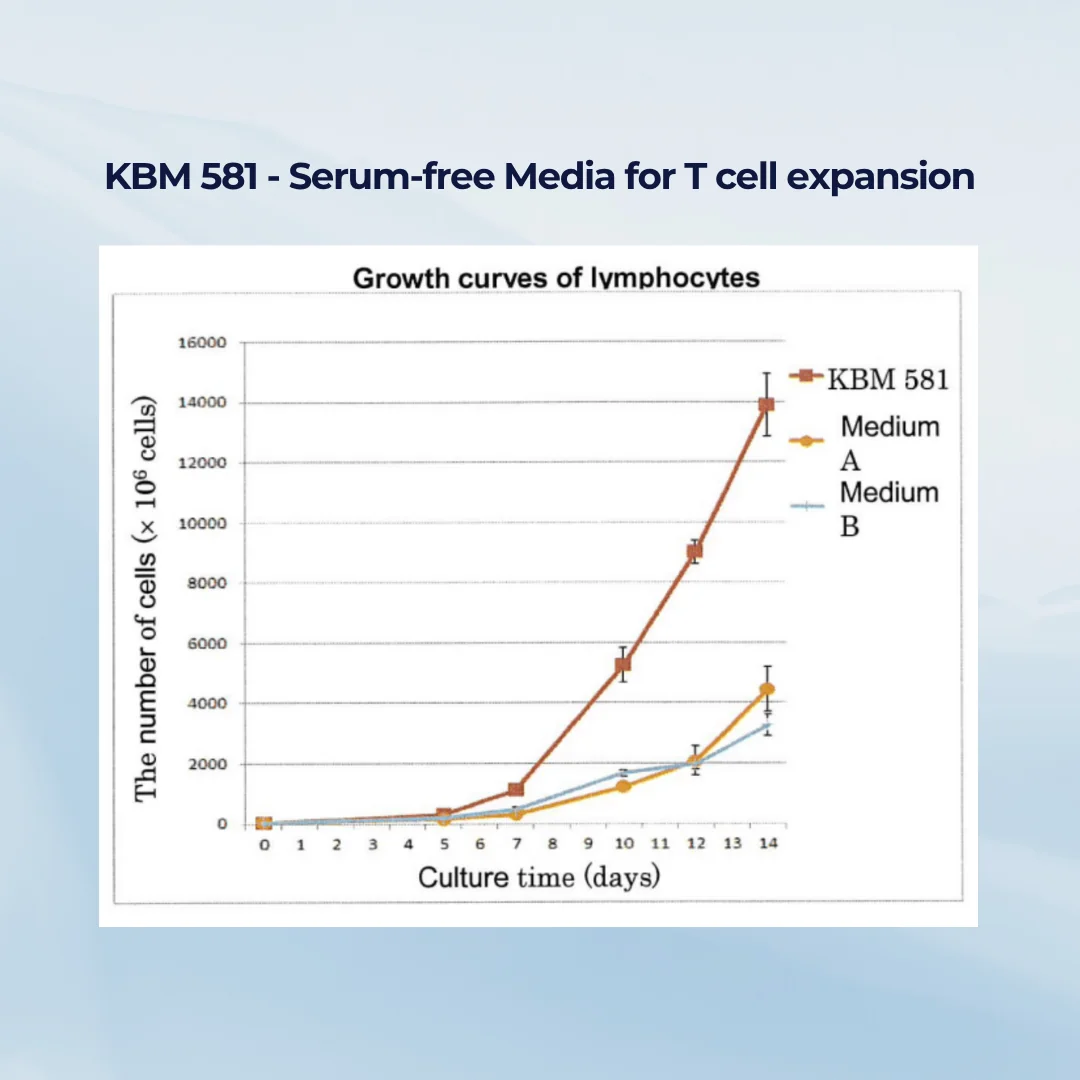
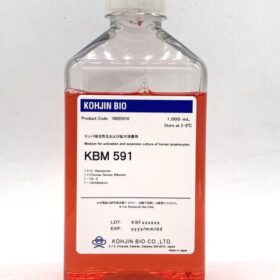
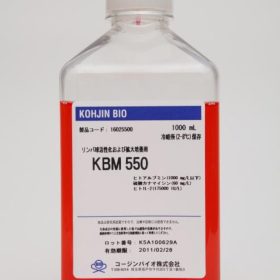
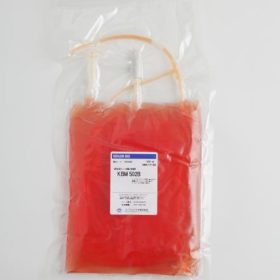
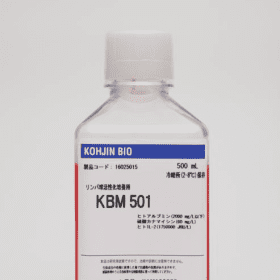
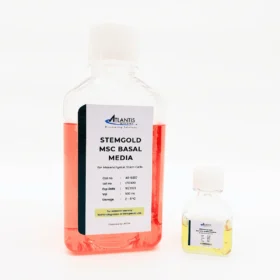
The KBM 581 is most frequently used for adoptive immunotherapy in Japan. It does not contain proteins other than serum albumin which is injection-grade and recombinant human insulin.
KBM 581 is a high-quality, serum-free medium optimised for the activation and expansion of human T cells, including cytokine-induced killer (CIK) cells, from peripheral blood mononuclear cells (PBMCs). Part of the widely adopted KBM 500 series, KBM 581 is frequently used in clinical research in Japan for adoptive immunotherapy and is now available through Atlantis Bioscience for translational research.
Reference: 2002 Blackwell Science Ltd, British Journal of Haematology 116: 78–86
Article Snippet: “Purifed PBMCs, at a density of 1.5× 10⁶ cells/mL, were seeded in a fask (Corning, 430,168) coated with scFvCD16A-sc4-1BBL (2 μg/ml, 24 h at 4 °C), and cultured in KBM-581 medium (Corning, 88–51-CM) containing 5% heat-inactivated autologous plasma and 1000 IU/mL rhIL-2 (Jinsili, Jiangsu, China) for 13 days at 5% CO2 and 37℃, by adding fresh medium every 2–3 days to maintain the cell density between 1.3 and 3.2× 10⁶ cells/mL.”
Li, Y., Xie, S., Chen, M. et al.
Development of an antibody-ligand fusion protein scFvCD16A–sc4-1BBL in Komagataella phaffii with stimulatory activity for Natural Killer cells.
Microb Cell Fact 22, 67 (2023).
DOI: https://doi.org/10.1186/s12934-023-02082-6
Article Snippet: “Purified PBMCs, at a density of 1.5 × 10⁶ cells/mL, were seeded in a flask (Corning, 430,168) coated with scFvCD16A-sc4-1BBL (2 μg/ml, 24 h at 4 °C), and cultured in KBM-581 medium (Corning, 88–51-CM) containing 5% heat-inactivated autologous plasma and 1000 IU/mL rhIL-2 (Jinsili, Jiangsu, China) for 13 days at 5% CO2 and 37℃, by adding fresh medium every 2–3 days to maintain the cell density between 1.3 and 3.2 × 10⁶ cells/mL.”
Article Snippet: “The activated T cells were then transduced with lentiviral supernatants containing the different CAR constructs. 8ug/ml of Polybrene (Beyotime) was used when transducing GPC3-BiTE CAR-T cells. 2 days after transducing the cells with lentivirus, fresh media (KBM581 medium) were used as replacement.”
Lin, K., Xia, B., Wang, X. et al.
Development of nanobodies targeting hepatocellular carcinoma and application of nanobody-based CAR-T technology.
J Transl Med 22, 349 (2024).
DOI: https://doi.org/10.1186/s12967-024-05159-x
Article Snippet: “T cells were purified using negative-selected magnetic beads (BD Biosciences) and cultured in KBM581 medium.”
Zheng, Y., Lai, Z., Wang, B. et al.
Natural killer cells modified with a Gpc3 aptamer enhance adoptive immunotherapy for hepatocellular carcinoma.
Discov Onc 14, 164 (2023).
DOI: https://doi.org/10.1007/s12672-023-00780-6
Article Snippet: “Lymphocyte serum-free medium (KBM581 Medium) was purchased from Corning (Cat. No: 88-581-CM, New York, USA).”
Article Snippet: “Afterwards, the adherent cells were cultured with medium (1% autologous serum+KBM581+1000 U/mL rhGM-CSF (recombinant human granulocyte-macrophage colony-stimulating factor)+500 U/mL interleukin (IL)-4) for 48 hours, and then loaded with 13 neoantigen peptides (25 µg/peptide) accompanied by certain cytokines (tumor necrosis factor alpha, 1000 U/mL; IL-1b, 10 ng/mL; IL-6, 1000 U/mL) in the medium to induce DC maturation overnight.”
Article Snippet: “PBMCs were incubated in T-lymphocyte serum-free KBM581 medium (Corning, Inc.; NY, USA), then seeded onto 6-well plates (Corning, Inc.) at a density of 2 x 10⁶ cells/mL.”
Article Snippet: “PBMCs were resuspended in Corning serum-free cell medium KBM581 (Corning Inc., Corning, NY) and stimulated with 100 ng/mL α-GalCer (BioVision, Milpitas, CA) and 100 U/mL animal-free recombinant human interleukin-2…”
Chen, M., Liu, X., Peng, N. et al.
Construction of CD19 targeted dual- and enhanced dual-antibodies and their efficiency in the treatment of B cell malignancy.
Exp Hematol Oncol 12, 64 (2023).
DOI: https://doi.org/10.1186/s40164-023-00423-0
Article Snippet: “Patient derived T cells were isolated from B-ALL patients and cultured in lymphocyte medium KBM581 (Corning, USA) supplemented with 10% FBS and 50 IU/mL human interleukin-2 (IL-2) (R&D systems, USA).”
Article Snippet: “The transduced T cells were expanded in KBM581 medium supplemented with 1% penicillin-streptomycin, 2 mmol/L GlutaMAX (GIBCO), 0.1 mmol/L nonessential amino acids (GIBCO) at 37°C with 5% CO2.”
| Attribute | Details |
|---|---|
| Product Name | KBM 581 |
| Cat. No. | 16025810 |
| Form | Liquid |
| Volume | 1,000 mL |
| Storage Conditions | 2–8 °C |
| Shelf Life | 8 months from production date |
| Country of Manufacture | Japan |
| Manufacturer | KohJin Bio |