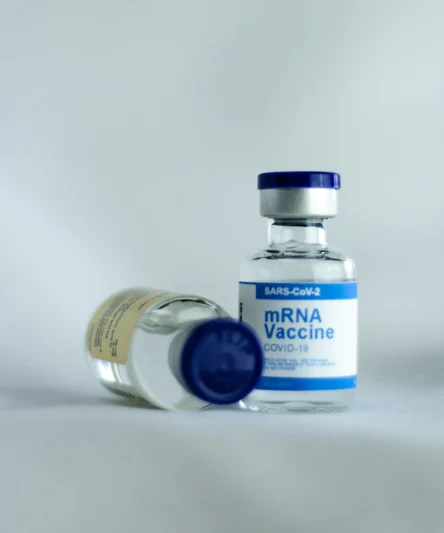
When COVID-19 swept across the globe, mRNA vaccines emerged as a definitive game-changer, proving how rapidly modern science can pivot to meet an urgent viral threat. While the pandemic was the catalyst, it also served as a massive “proof of concept” for a technology that is now redefining the entire field of infectious disease prevention. The speed, adaptability, and scalability of the mRNA platform enabled the development and global deployment of safe, effective doses in record time—a feat previously unthinkable in traditional vaccinology.
Beyond the context of SARS-CoV-2, mRNA technology offers a high-precision, flexible toolkit for tackling a vast array of emerging and endemic infectious diseases. By allowing researchers to swiftly update vaccine sequences in response to new viral variants or entirely new pathogens, mRNA has become the cornerstone of global pandemic preparedness. From seasonal influenza and RSV to complex targets like HIV and Zika, this transformative force is moving us toward a “plug-and-play” era of medicine where the response to an outbreak can be as fast as the spread of the disease itself.
The Fundamentals of mRNA Vaccine Design
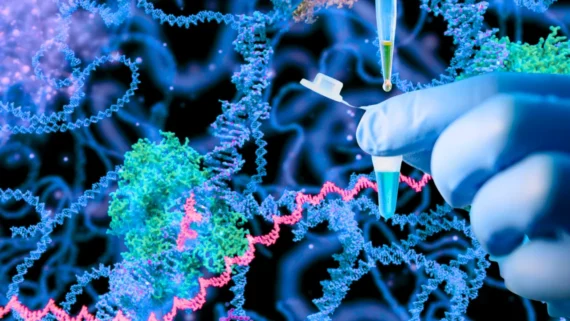
At its core, an mRNA vaccine delivers a synthetically engineered messenger RNA sequence into host cells. This sequence encodes one or more antigens from a specific pathogen. Once internalised, cellular ribosomes translate the mRNA into antigenic proteins, which are presented by host cells via major histocompatibility complex (MHC) molecules. This presentation activates both CD8⁺ cytotoxic T cells, which eliminate infected cells, and CD4⁺ helper T cells, which support immune coordination and B cell activation. This coordinated response produces neutralising antibodies and memory B cells, providing both immediate protection and long-term immunity.
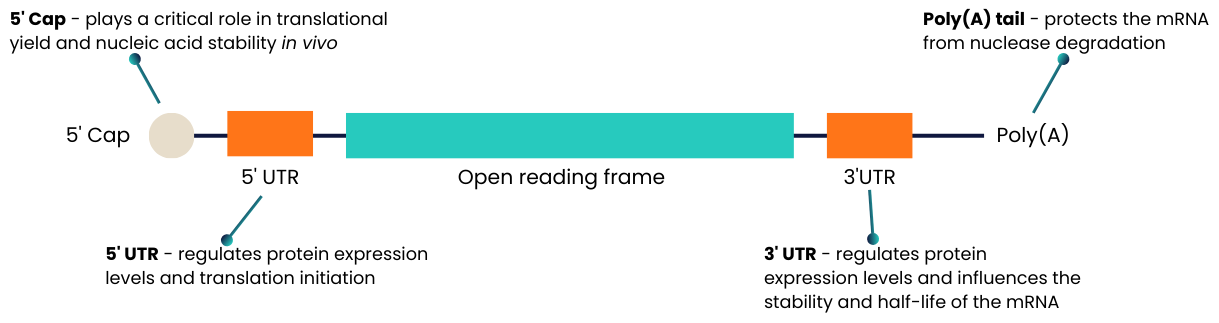
Learn more about structural elements of a functional mRNA from here.
Optimisation Strategies for mRNA Stability
To maximise the efficacy of vaccines against diverse infectious threats, researchers employ several optimisation techniques:
Codon Optimisation: Selecting host-preferred codons to accelerate protein production.
UTR Engineering: Fine-tuning the regulatory regions to extend mRNA half-life.
Nucleoside Modification: Incorporating modified nucleotides, such as N1-methylpseudouridine (m1Ψ) to suppress unintended innate immune activation and enhance stability.
Next-Generation mRNA Formats: saRNA and circRNA Explained
To further improve performance, two innovative formats have emerged:
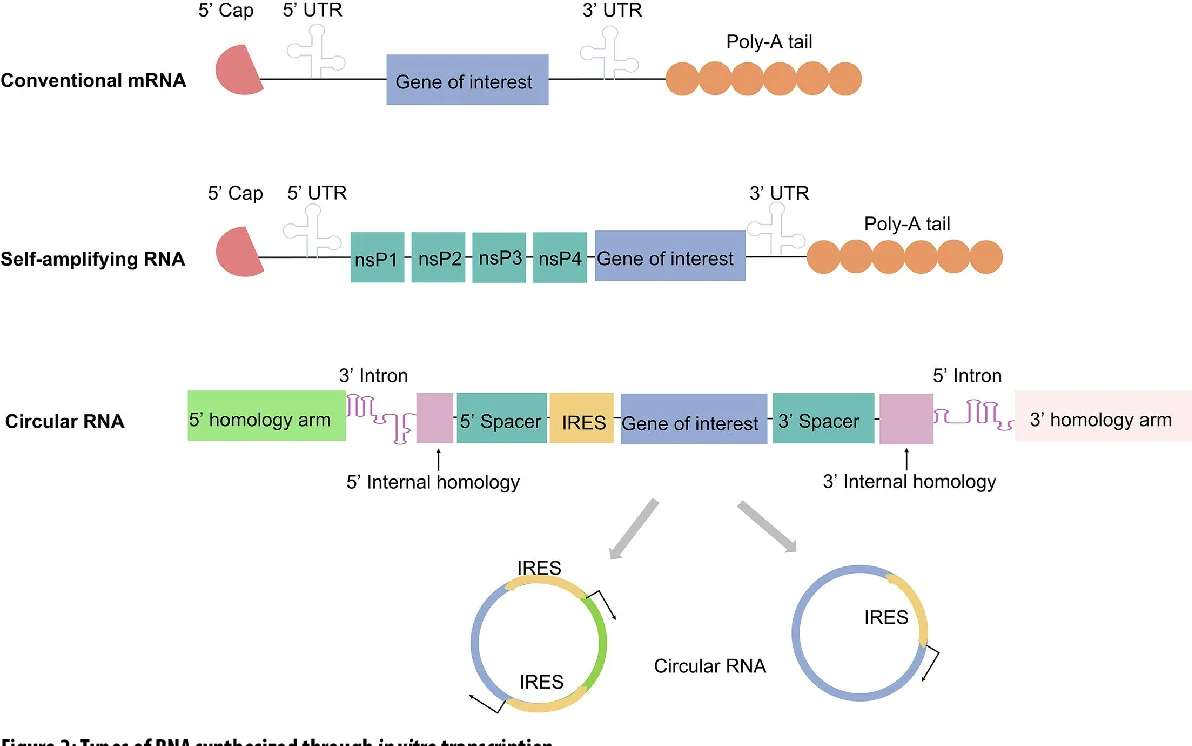
Self-amplifying RNA (saRNA): These contain replication machinery that allows the mRNA to multiply once inside the cell, achieving high antigen expression with significantly lower doses.
Circular RNA (circRNA): These covalently closed molecules resist exonuclease degradation, offering more durable antigen expression and potentially reducing the frequency of booster shots.
Figure 1: Types of RNA synthesised through in vitro transcription. (Cite: doi: 10.1042/EBC20253009. CC BY 4.0)
Table 1: Comparison of conventional mRNA, saRNA and circRNA
Feature
mRNA
saRNA (Self-amplifying RNA)
circRNA (Circular RNA)
Structure
Linear RNA
Linear RNA + viral replicase genes
Covalently closed circular RNA
Length
Short (~1–5 kb)
Long (~9–12 kb)
Variable, generally shorter than saRNA
Replication in cell
❌ No
✅ Yes (self-amplifies)
❌ No
Protein expression
Moderate, transient
High (due to amplification)
Sustained, long-lasting
Dose required
Moderate
Low (due to self-replication)
Potentially low
Stability
Moderate (prone to degradation)
Moderate (large size can affect stability)
High (resistant to exonucleases)
Immunogenicity
Controlled with modifications
Higher innate immune activation risk
Lower innate immune activation (emerging data)
Manufacturing complexity
Relatively simple
More complex (long RNA, replicase encoding)
Complex (circularisation step required)
Delivery (e.g. LNP)
Well-established
More challenging due to size
Still being optimised
Clinical maturity
✅ Most advanced (e.g. COVID-19 vaccines)
⚠ Early clinical stage
⚠ Preclinical / early-stage research
Key advantage
Proven, scalable platform
High potency at low dose
High stability and prolonged expression
Key limitation
Stability & cold chain
Large size, potential reactogenicity
Manufacturing & translation efficiency still evolving
Lipid Nanoparticles: The Essential Delivery Vehicle
A key challenge in mRNA therapeutics is the inherent instability of naked RNA, which is highly susceptible to rapid degradation by RNases in biological environments. In addition, mRNA must overcome the cell membrane barrier, as its large size and negative charge prevent efficient passive entry into cells.
To address these limitations, lipid nanoparticles (LNPs) serve as the essential delivery system for mRNA vaccines. The effectiveness of these vaccines is closely tied to the physicochemical properties of their LNP carriers. Rigorous characterisation is not merely a quality control step but a fundamental requirement for ensuring consistent performance. Poorly defined LNPs can lead to variable cellular uptake, unpredictable immune responses, and increased risk of failure during clinical translation.
Lipid Nanoparticles (LNPs) provide the standard solution by:
Encapsulating the mRNA: Shielding it from degradation until it reaches the target tissue.
Facilitating Cytosolic Entry: Promoting cellular uptake and endosomal escape so the mRNA can reach the ribosomes.
Enable Targeted Delivery: Directing delivery to antigen-presenting cells, such as dendritic cells, to maximise the immune response.
Modern LNPs are sophisticated structures composed of ionizable lipids, structural lipids, cholesterol, and PEGylated lipids. These components can be precisely tuned to optimise the vaccine’s biodistribution and safety profile.
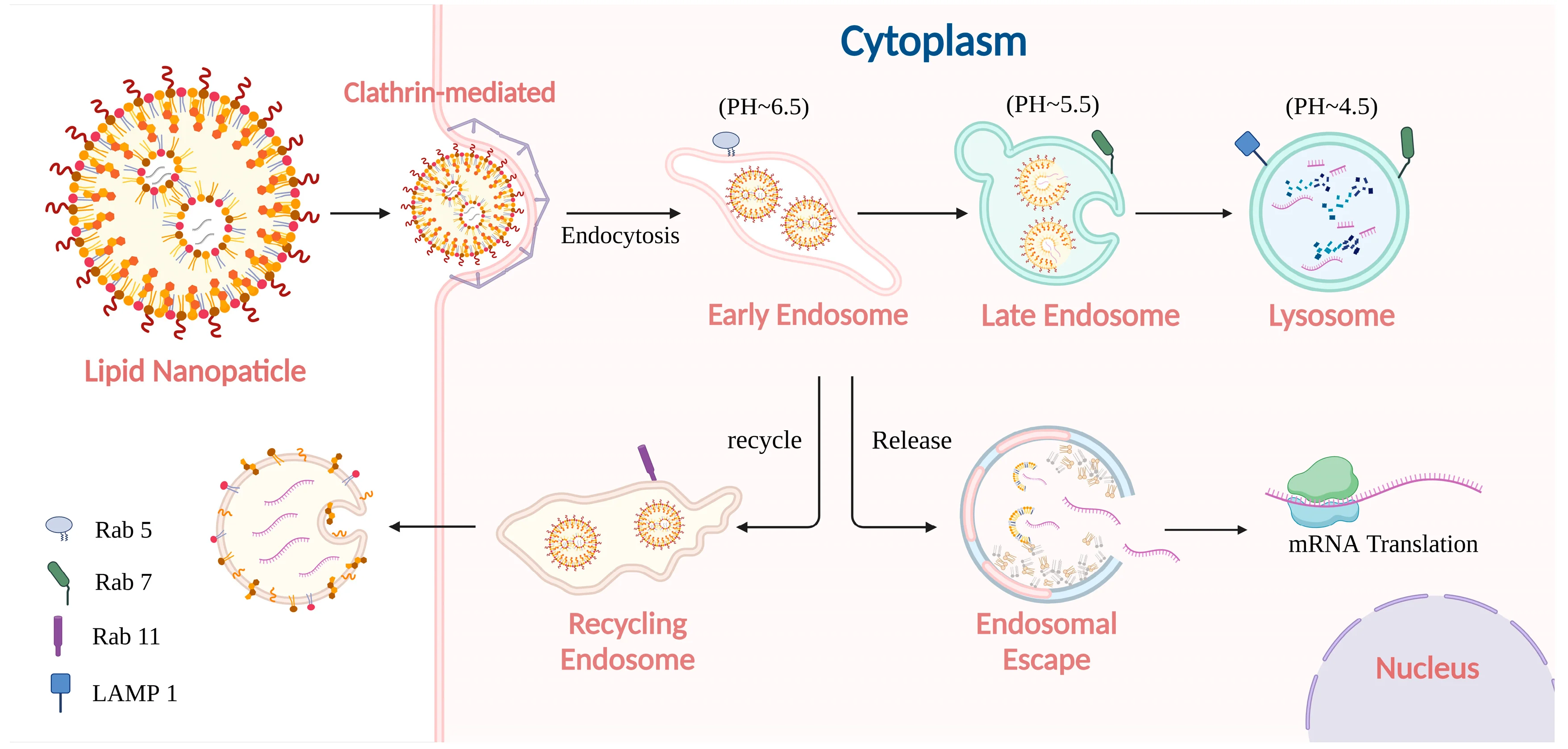
Figure 2: Intracellular Journey of Lipid Nanoparticle–Delivered mRNA. After cellular uptake via clathrin-mediated endocytosis, LNP-encapsulated mRNA enters early endosomes, where some particles are recycled out of the cell. A fraction escapes into the cytoplasm to enable protein translation, while the remaining LNPs progress to late endosomes and lysosomes for degradation. (Cite: doi: 10.3390/pharmaceutics17070803. CC BY 4.0)
What Are the Ideal LNP Parameters for mRNA Vaccines?
For researchers developing mRNA-LNP formulations for infectious diseases, achieving the following values is generally considered the “gold standard” for clinical viability:
Particle Size (80 nm – 100 nm): While the acceptable range is technically 20 nm – 200 nm, the 80–100 nm window is optimal for mRNA vaccines. Particles in this range are small enough to drain efficiently to the lymph nodes (where immune activation happens) but large enough to carry a robust mRNA payload. Particles over 150 nm risk being cleared too quickly by macrophages before they can deliver their cargo.
Polydispersity Index (PDI < 0.2): PDI measures the uniformity of your particles on a scale of 0.0 to 1.0. For clinical applications, the FDA typically suggests a PDI below 0.3, but high-quality research formulations aim for less than 0.2. A low PDI ensures that every nanoparticle in the dose behaves the same way, providing predictable and repeatable results.
Zeta Potential (–5 mV to +5 mV / Near Neutral): During the formulation process at low pH, lipids are positively charged to “grab” the mRNA. However, the final vaccine at physiological pH (around 7.4) should ideally be near-neutral or slightly negative. This prevents the vaccine from sticking non-specifically to cells or causing unintended inflammation and tissue damage at the injection site.
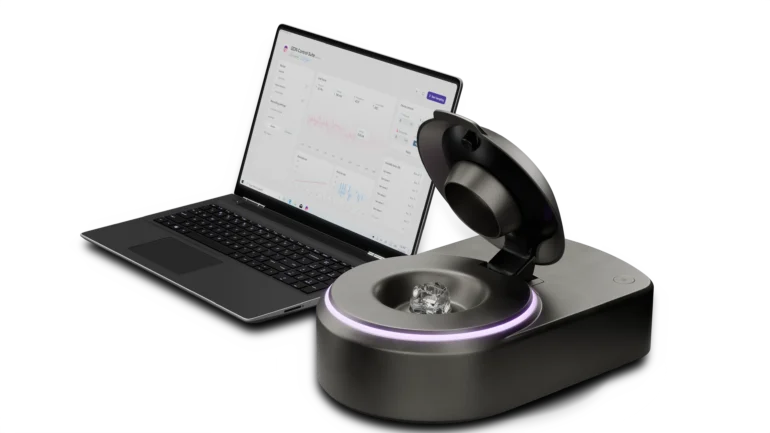
Using Pulsoid, researchers can measure these critical LNP parameters with high accuracy, single-particle resolution, and rapid turnaround.
End-to-End Workflow for mRNA Vaccine Development
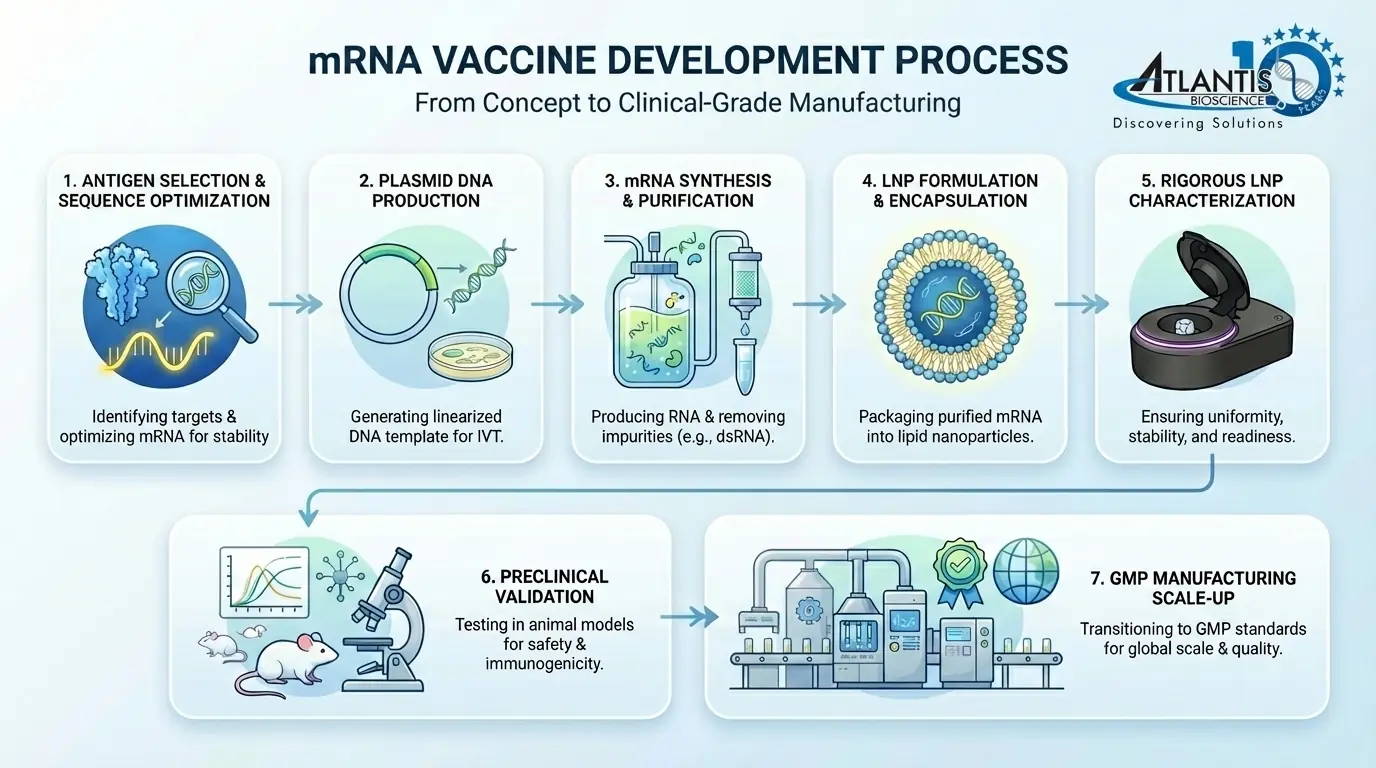
Unlike traditional vaccines produced in eggs or cell cultures, mRNA vaccines utilise a cell-free in vitro transcription (IVT) process. This modularity is what allows for such a rapid response to emerging infectious diseases.
The Developmental Pipeline:
Antigen Selection & Sequence Optimisation: Identifying the best pathogen targets and optimising the mRNA for maximum stability.
Plasmid DNA Production: Generating the linearised DNA template that serves as the blueprint for the IVT process.
mRNA Synthesis & Purification: Producing the RNA and removing impurities like double-stranded RNA that can cause adverse reactions.
LNP Formulation & Encapsulation: “Packaging” the purified mRNA into lipid nanoparticles.
Rigorous LNP Characterisation: Utilising tools like Pulsoid to ensure the formulation is uniform, stable, and ready for testing.
Preclinical Validation: Testing in animal models to confirm safety and immunogenicity.
GMP Manufacturing Scale-Up: Transitioning to Good Manufacturing Practice standards to ensure clinical-grade quality and potency at a global scale.
Key Takeaway: By integrating high-precision antigen design with advanced LNP characterisation, researchers can bridge the gap between discovery and the clinic, ensuring that vaccines against infectious diseases are both safe and reproducible.
Clinical Progress: The Landscape Beyond COVID-19
The success of the Pfizer-BioNTech and Moderna COVID-19 vaccines was just the beginning. Today, the mRNA platform is being deployed against a vast range of pathogens, with several candidates in late-stage clinical trials.
Why mRNA is the Future of Infectious Disease Control:
Rapid Development: New sequences can be designed in weeks, not years.
Multivalent Potential: A single dose can protect against multiple strains (e.g., a combined Flu/COVID shot).
Modular Safety: No live virus is involved, eliminating the risk of infection from the vaccine itself.
Selected mRNA Vaccine Candidates in Clinical Trials (Non‑COVID‑19)
Phase 3 (CMVictory); evaluation in childbearing-age women; most complex mRNA-LNP to date (6 sequences), but the CMVictory trial reported suboptimal efficacy at approximately 6–23%, and the program is being discontinued.
Challenges and Translational Considerations in mRNA Vaccine Development
Despite their promise, mRNA vaccines face several key translational challenges that must be addressed to fully realise their potential against a broad range of infectious diseases. Understanding these challenges is essential for both developers and stakeholders in the vaccine ecosystem.
1. mRNA Stability and Integrity
mRNA is inherently fragile and prone to degradation, which necessitates careful design, formulation, and handling. Many current vaccines require ultra-cold storage, complicating distribution and accessibility, especially in low-resource settings. Improving stability through sequence optimisation, modified nucleotides, or alternative RNA formats (e.g., circular RNA) is an active area of research.
2. Delivery Efficiency and LNP Optimisation
Efficient delivery of mRNA into target cells is crucial for robust antigen expression. LNPs are currently the primary delivery vehicle, but optimising their composition, size, and targeting remains a challenge to maximise uptake, minimise off-target effects, and control immune activation.
3. Reproducibility Across Batches
Consistency is critical for clinical and regulatory success. Variability in mRNA synthesis, purification, or formulation can impact antigen expression, immunogenicity, and safety, making reproducibility across batches a major translational hurdle.
4. Scaling from Research to GMP
While mRNA can be synthesised rapidly in small-scale research settings, scaling production to Good Manufacturing Practice (GMP) standards involves significant infrastructure, process optimisation, and cost. Maintaining quality, purity, and potency at large scale is non-trivial and requires robust manufacturing workflows.
5. Regulatory and Safety Profiling
Long-term safety data outside of pandemic contexts are still emerging. Regulatory frameworks for novel mRNA platforms continue to evolve, requiring developers to address safety, immunogenicity, and batch-to-batch consistency comprehensively.
Integrated Approaches to Support mRNA Vaccine Development
The successful development of mRNA vaccines requires more than just a well-designed sequence — it depends on integrated workflows, reliable partners, and robust translational tools. Addressing challenges like reproducibility, scalable manufacturing, and rigorous LNP characterisation requires coordination across multiple stages of the vaccine pipeline.
Generate high-quality DNA templates for in vitro transcription
Produce mRNA at scales suitable for preclinical and translational studies
Support LNP formulation workflows by supplying consistent, high-purity material
This integration addresses common workflow gaps in mRNA vaccine development, ensuring that each step — from template design to encapsulation — meets the standards needed for reproducible and scalable research.
Pulsoid: Advanced LNP Characterisation for mRNA Vaccine Translation
Robust analytics, reproducibility, and scalable systems are essential for successful mRNA vaccine development, particularly when measuring and characterising lipid nanoparticles (LNPs). However, conventional techniques such as Dynamic Light Scattering (DLS) provide bulk measurements that represent only the average of a sample. This can mask underlying heterogeneity within LNP formulations. For instance, an average particle size of 90 nm may conceal a small population of larger aggregates around 300 nm, which could compromise safety and trigger unintended immune responses.
To address this limitation, advanced single-particle LNP characterisation technologies have become increasingly important. Platforms such as Pulsoid, based on Nanopore Pulse Sensing (NPS), measure nanoparticles individually, providing high-resolution insights into particle size, concentration, zeta potential, and population heterogeneity.
Pulsoid supports precise LNP measurement and mRNA vaccine development workflows by:
Ensuring batch-to-batch consistency in LNP formulations
Providing detailed insights into particle size, zeta potential, and heterogeneity
Supporting reliable translation from research to preclinical and GMP manufacturing
Together, these tools form a synergistic ecosystem that addresses both analytical and production challenges in infectious disease research, enhancing confidence in experimental outcomes and translational workflows.
Regional Ecosystem Support: Atlantis Bioscience
In Asia, Atlantis Bioscience plays a key role in connecting the mRNA development ecosystem. By linking PackGene’s production capabilities with Pulsoid’s advanced characterisation, we support researchers across the full end-to-end workflow, from plasmid and mRNA synthesis to LNP formulation and preclinical mouse model studies. With a decade of supporting scientific discovery, Atlantis Bioscience has built a regional ecosystem that connects researchers, clinicians and veterinary partners to enable translational research and bridge bench to bedside. This integrated approach accelerates vaccine development timelines and strengthens the pathway from discovery to clinical application, reinforcing reproducibility, scalability, and scientific rigour across the pipeline.
Watch this Youtube video below to learn more about mRNA-LNP vaccine platform
Conclusion
mRNA vaccines have fundamentally changed how we fight infectious diseases. Their modular nature and rapid manufacturing speed make them the ultimate tool for modern vaccinology. As we refine LNP delivery and enhance characterisation standards, mRNA will undoubtedly become the foundational technology for global health security.
References
Aleem MT, Munir F, Shakoor A, Gao F. mRNA vaccines against infectious diseases and future direction. Int Immunopharmacol. 2024 Jun 30;135:112320. doi: 10.1016/j.intimp.2024.112320.
Danaei M, Dehghankhold M, Ataei S, Hasanzadeh Davarani F, Javanmard R, Dokhani A, Khorasani S, Mozafari MR. Impact of Particle Size and Polydispersity Index on the Clinical Applications of Lipidic Nanocarrier Systems. Pharmaceutics. 2018 May 18;10(2):57. doi: 10.3390/pharmaceutics10020057.
Li S, Zheng L, Zhong J, Gao X. Advancing mRNA vaccines for infectious diseases: key components, innovations, and clinical progress. Essays Biochem. 2025 May 1;69(2):EBC20253009. doi: 10.1042/EBC20253009.
Rezk N, McClean S. Harnessing the Potential of mRNA Vaccines Against Infectious Diseases. Microb Biotechnol. 2025 Aug;18(8):e70212. doi: 10.1111/1751-7915.70212.
Schoenmaker L, Witzigmann D, Kulkarni JA, Verbeke R, Kersten G, Jiskoot W, Crommelin DJA. mRNA-lipid nanoparticle COVID-19 vaccines: Structure and stability. Int J Pharm. 2021 May 15;601:120586. doi: 10.1016/j.ijpharm.2021.120586.
Wang J, Chen R, Xie Y, Qin X, Zhou Y, Xu C. Endo/Lysosomal-Escapable Lipid Nanoparticle Platforms for Enhancing mRNA Delivery in Cancer Therapy. Pharmaceutics. 2025 Jun 20;17(7):803. doi: 10.3390/pharmaceutics17070803.
Discover the top 10 biotechnology trends shaping 2026, from in vivo editing and RNA therapeutics to spatial omics and regenerative medicine innovation.
Learn how in vitro transcription (IVT) ensures high-quality mRNA production for vaccines and therapeutics through efficient design and rigorous quality testing.
HOW CAN WE HELP YOU?Our specialists are to help you find the best product for your application. We will be happy to help you find the right product for the job.